Enhancing Audio Clarity: Mastering Room Acoustics with Audiophile Wireless Speakers
Introduction to Audiophile Wireless Speakers for TestingPerformance and Break-In Period for Audiophile Wireless SpeakersRoom Acoustic…
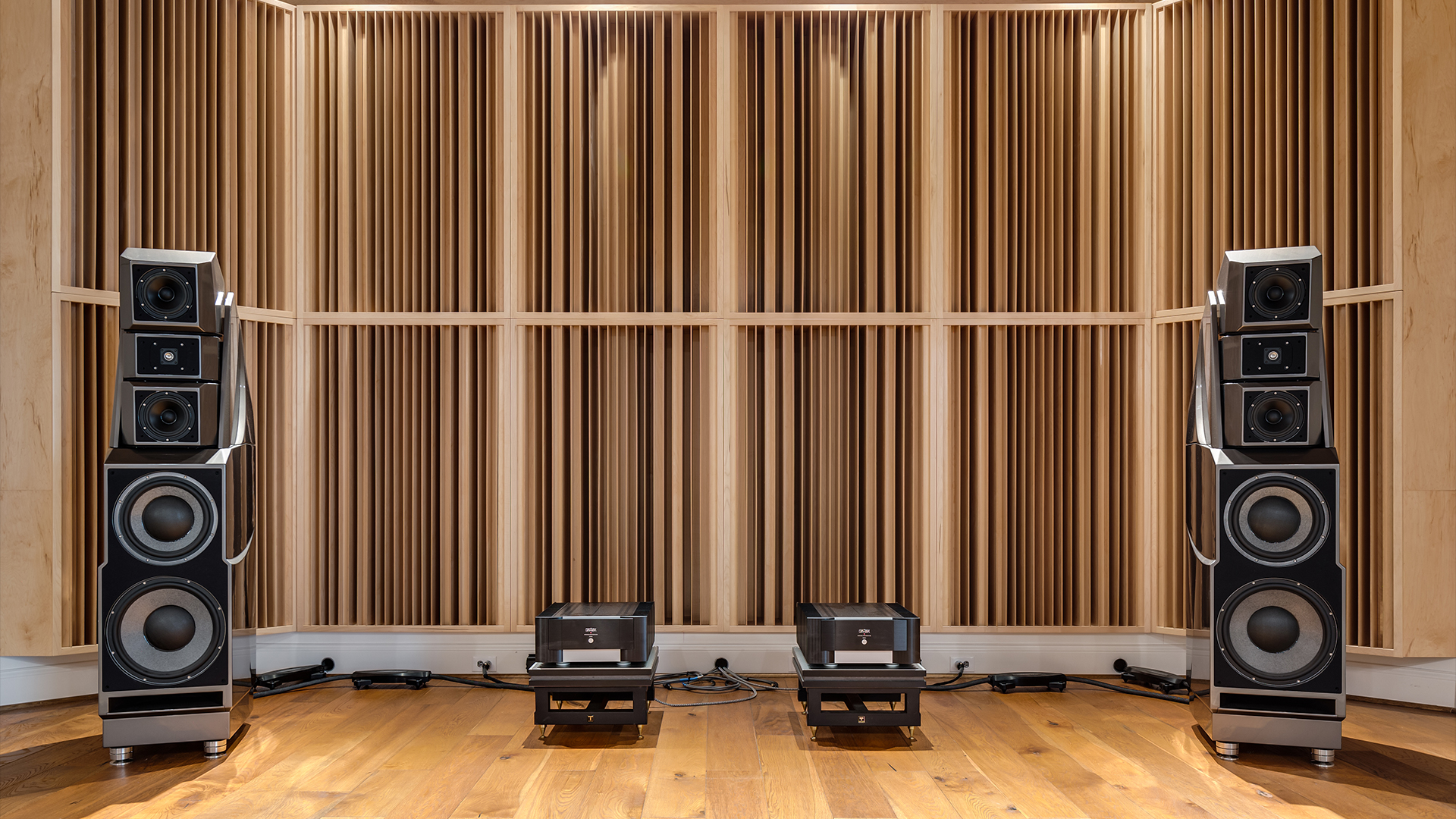
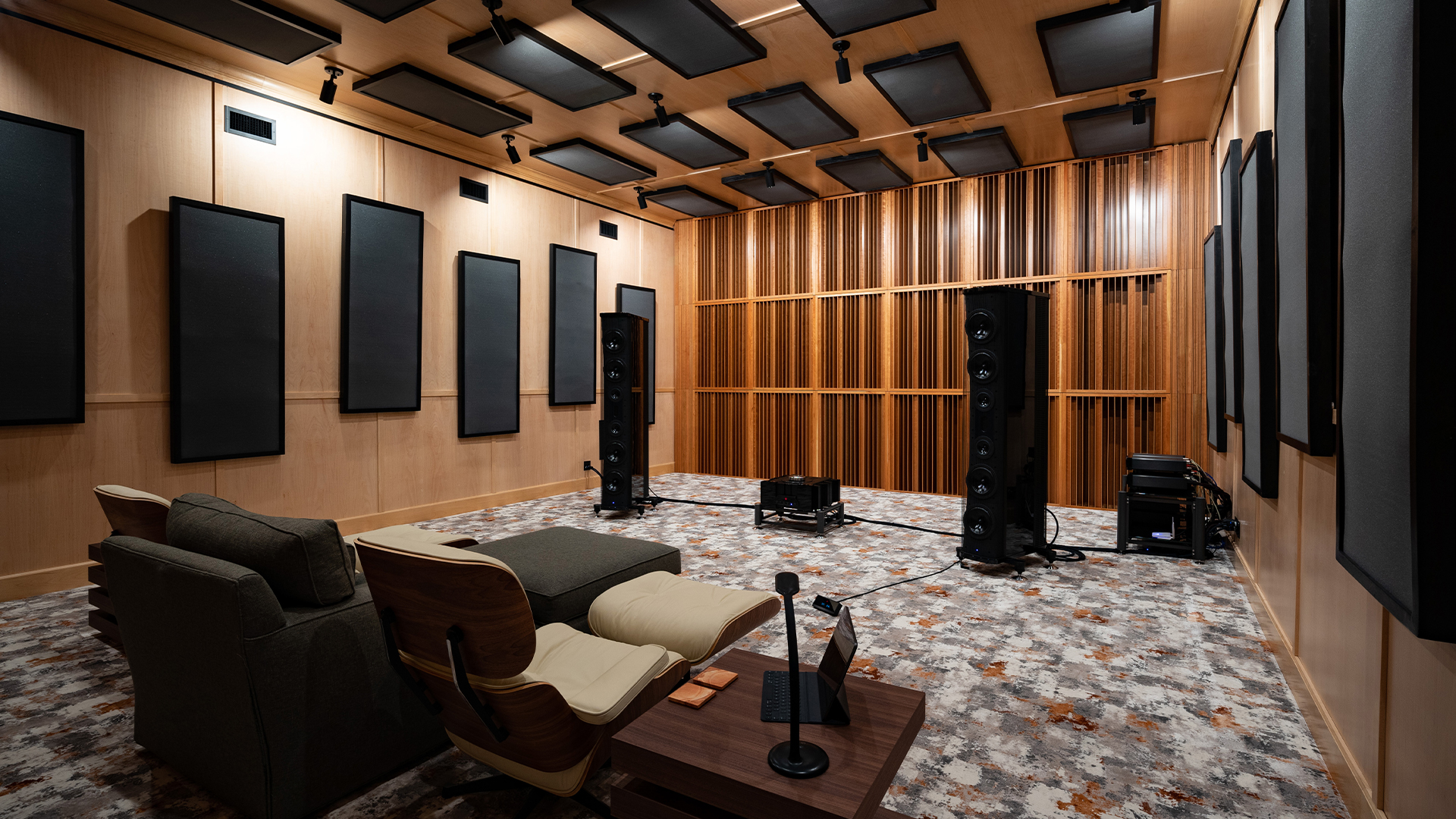
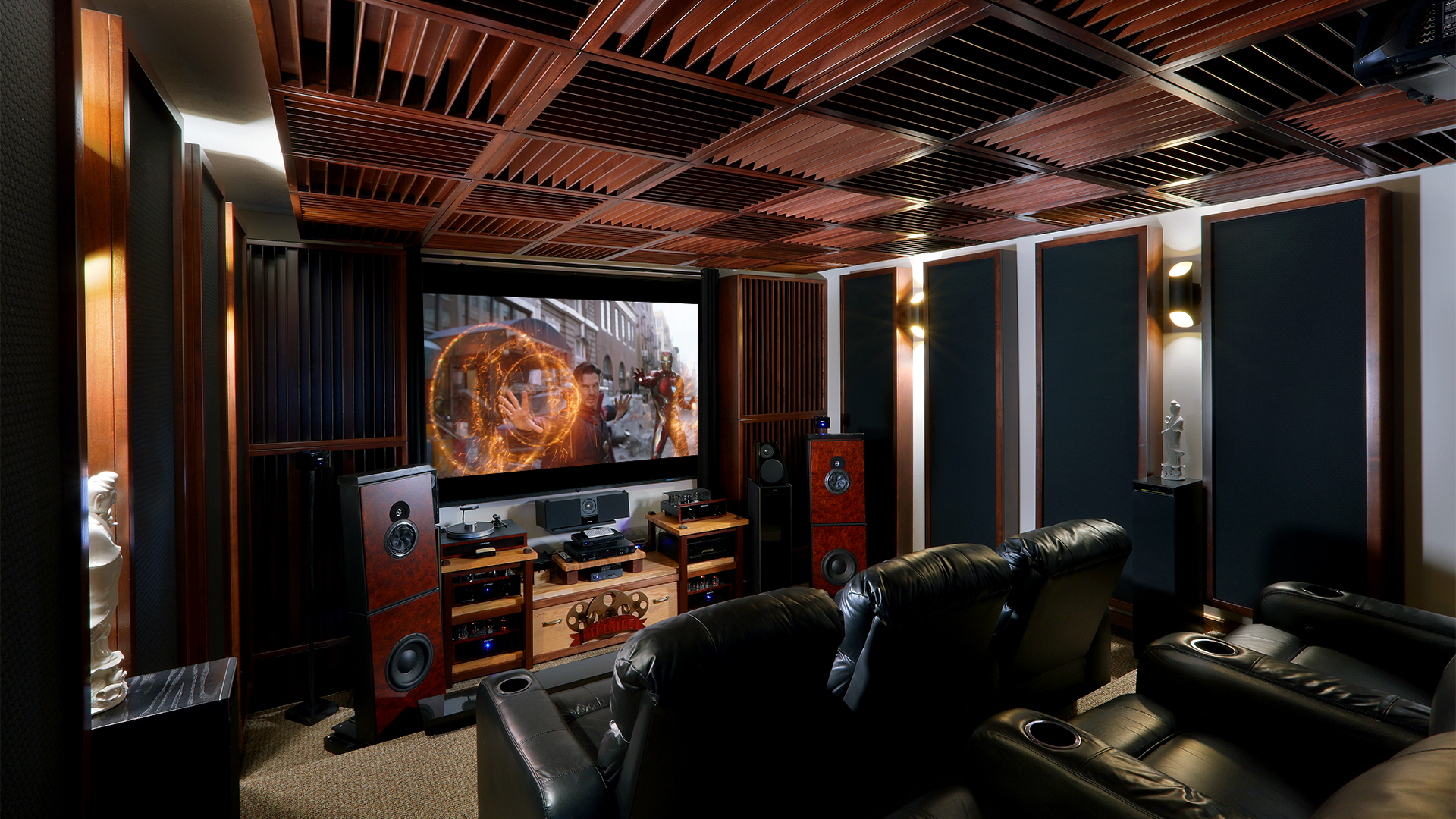
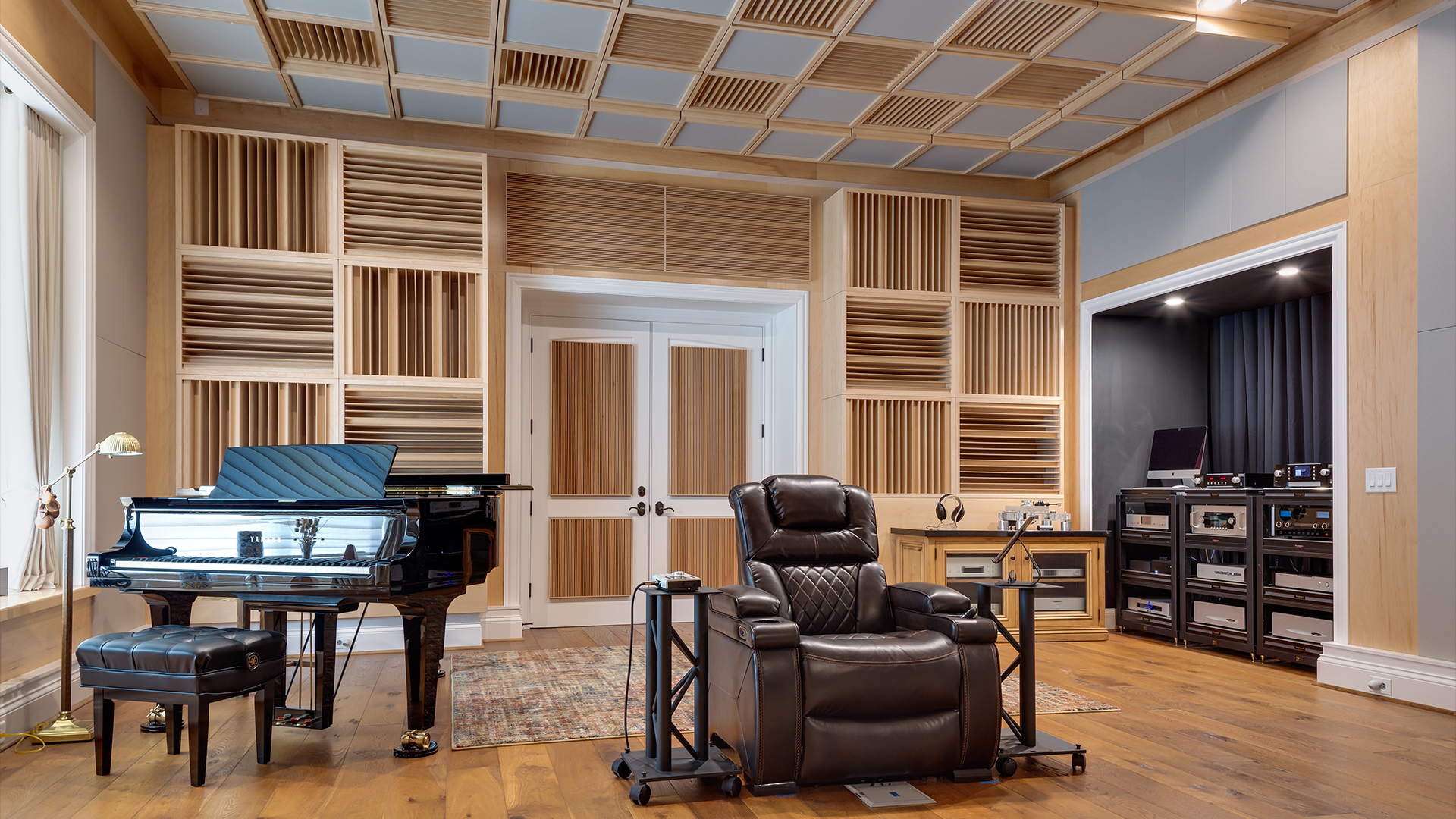
When it comes to acoustical treatment in critical listening rooms, most people use tactics without a sonic strategy. They try this or that product and place it here and there. This is a recipe for failure.
You must decide what resolution level you wish to achieve within your room and plan towards that final outcome using the proper balance of absorption and diffusion technologies.
We can assist you with the numerous steps you must take towards your room noise and treatment goals. Most people do not plan to fail when it comes to room acoustics, they fail to plan.
When you’re in need of acoustical design services, there’s no better choice than Acoustic Fields. Our 30 years of experience, innovative proprietary technology, and an impressive portfolio are just a few reasons to choose us for all your acoustical needs.


With over 35 years of experience in the field, Acoustic Fields is the best partner for dealing with the acoustic challenges you’re facing in your environment. Contact us today!

I am an acoustic engineer with over 30 years’ experience in the business. My technology has been used in Electric Lady Land Studios, Sony Music of New York, Cello Music and Films founded by Mark Levinson, and Saltmines Studios in Mesa, Arizona, along with hundreds of others.
© 2023 Acoustic Fields